Every kitchen relies on certain essentials to maintain the quality of meals after they are cooked. Aluminium foil stands out as one of the most versatile and scientifically fascinating materials you can use for food storage. Its creation involves rolling pure aluminium metal into incredibly thin sheets, resulting in a flexible yet highly durable product. Understanding the exact mechanisms that make this metallic sheet so effective can help you improve your food preservation techniques, reduce household waste, and ensure your leftovers taste just as good the next day.
The impermeable barrier against environmental elements
The primary reason aluminium foil excels at keeping food fresh lies in its absolute impermeability. Unlike plastic wrap or paper products, this metal sheet completely blocks out light, oxygen, and moisture. Exposure to ultraviolet light and oxygen rapidly accelerates the degradation of fats and proteins in your meals, leading to unpleasant odours and off-flavours. By wrapping leftovers tightly in foil, you create an isolated environment where these external factors cannot penetrate, effectively pausing the spoilage clock. This barrier is particularly crucial for foods containing high levels of fat, which are highly susceptible to becoming rancid when exposed to the air.
Moisture control represents another critical function of this metallic barrier. When food loses its natural moisture, it becomes dry, unappetising, and suffers a significant drop in nutritional value. Conversely, excess ambient moisture entering the food can promote bacterial growth and rapid spoilage. A tight seal with aluminium foil traps the internal moisture of the food while preventing any external humidity from entering. This exact moisture balance is why roasted meats remain succulent and baked goods stay perfectly soft for days after their initial preparation.
Thermal reflection and temperature management
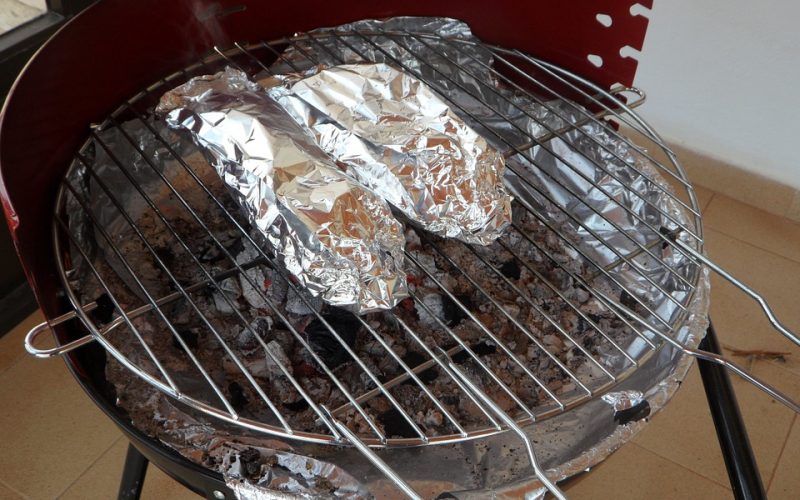
Aluminium foil possesses remarkable thermal properties that contribute significantly to food preservation. The shiny side of the foil acts as a highly effective reflector of radiant heat, while the dull side absorbs it. Although the difference in performance between the two sides is minimal for general storage, the material as a whole excels at temperature regulation. Wrapping hot food in foil reflects the thermal energy back into the meal, slowing the cooling process. Similarly, when placed in the refrigerator or freezer, the foil protects against severe temperature fluctuations that can cause freezer burn and ruin the delicate texture of your dishes.
It is important to understand the chemical limitations of this material to ensure optimal food safety and flavour retention. Aluminium is a reactive metal, which means it can interact with highly acidic or heavily salted foods. Tomatoes, citrus fruits, and dishes containing vinegar can cause a mild chemical reaction that breaks down the foil, potentially leaving small metallic flakes on your meal and altering its taste. For these specific types of food, it is always best to use glass containers or place a layer of baking parchment between the acidic food and the metallic covering.
Elevating your food preservation strategy
To maximise the scientific benefits of this kitchen staple, proper application is absolutely essential. You must fold the edges securely to create a genuinely airtight seal, as any gaps will allow air and moisture to compromise the protective environment. Pressing the material as close to the surface of the food as possible removes the trapped air, further decreasing the chances of oxidation. By combining this method with proper temperature control in your refrigerator, you drastically extend the usable lifespan of your culinary creations and prevent unnecessary food spoilage.
The science behind aluminium foil reveals a highly engineered solution to everyday food storage challenges. From its impenetrable defence against light and oxygen to its impressive thermal regulation capabilities, it provides an exceptional level of protection for your meals. By applying this knowledge and avoiding reactive ingredients, you can confidently preserve the flavour, texture, and nutritional value of your food. Making the most of this metallic wonder ensures your carefully prepared dishes remain delicious, safe, and satisfying long after they leave the stove.