Foil paper is a thin, flexible material with a shiny, metallic surface, typically made from aluminium or a metallic-coated film. It reflects light in a way that gives it that distinctive shimmer, making it a popular choice across a surprisingly wide range of industries — from food packaging and gifting to arts, crafts, and professional printing. The term "foil paper" is often used loosely to describe several different materials, each with its own properties and best uses.
Aluminium foil
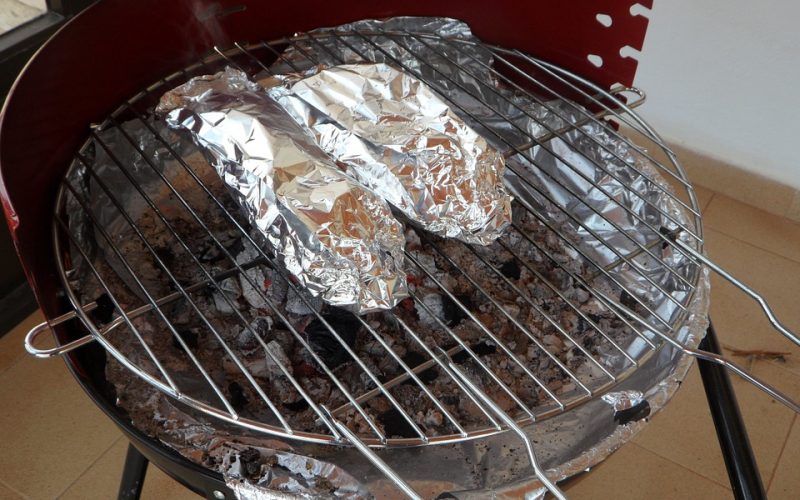
The most familiar type, aluminium foil, is made by rolling aluminium metal into thin, pliable sheets. It's a kitchen staple used for wrapping food, lining baking trays, and keeping meals fresh. Beyond the kitchen, it serves industrial purposes such as insulation, pharmaceutical packaging, and electrical shielding. Standard household aluminium foil is typically around 0.016mm thick, while heavy-duty variants are thicker and more resistant to tearing.
Metallic gift wrapping foil
This type is designed primarily for decorative purposes. Often made from a polyester or cellophane film coated with a thin metallic layer, gift wrapping foil comes in a wide array of colours — gold, silver, rose gold, holographic, and more. It's lightweight, easy to cut, and produces a high-gloss finish ideal for wrapping presents or lining gift boxes. Unlike aluminium foil, it's not food-safe and shouldn't be used for cooking or food storage.
Foil board and laminated foil paper
Foil board is a paper or card stock bonded to a metallic foil layer, creating a sturdier material used in high-end packaging, greeting cards, book covers, and marketing materials. Laminated foil paper works similarly — a metallic film is fused to a paper backing using heat and adhesive. These materials are widely used in commercial printing where a premium, eye-catching finish is required. They can be printed over with standard or UV inks to create detailed, professional designs.
Hot stamping foil
Hot stamping foil is a specialist product used in commercial printing and product branding. A metallic or pigmented foil is transferred onto a surface using heat and pressure, creating crisp, highly reflective text or imagery. You'll find it on book covers, business cards, cosmetics packaging, and luxury product labels. It's available in metallic finishes, holographic patterns, and even matte options, giving designers considerable creative flexibility.
Origami and craft foil paper
Craft foil paper is made specifically for paper crafts, scrapbooking, and origami. It typically consists of a thin metallic film bonded to tissue or standard paper to provide structure while retaining flexibility. The metallic surface holds creases well, making it ideal for intricate folding projects. It's widely available in art supply shops and comes in a broad spectrum of colours and finishes, from flat metallics to iridescent, multi-tonal effects.
Choosing the right foil paper
With so many varieties available, selecting the right foil paper comes down to your specific application. For food use, stick to food-grade aluminium foil. For crafts and gift wrapping, decorative metallic films offer the best range of colours and finishes. For professional print work or product packaging, foil board, laminated foil, or hot stamping foil will deliver the quality and durability required. Understanding the differences between these materials helps ensure you get the result you're looking for, whether your project is practical, creative, or commercial.